Robotics
How Your City Can Pilot Autonomous Delivery Robots: A Local Government Playbook
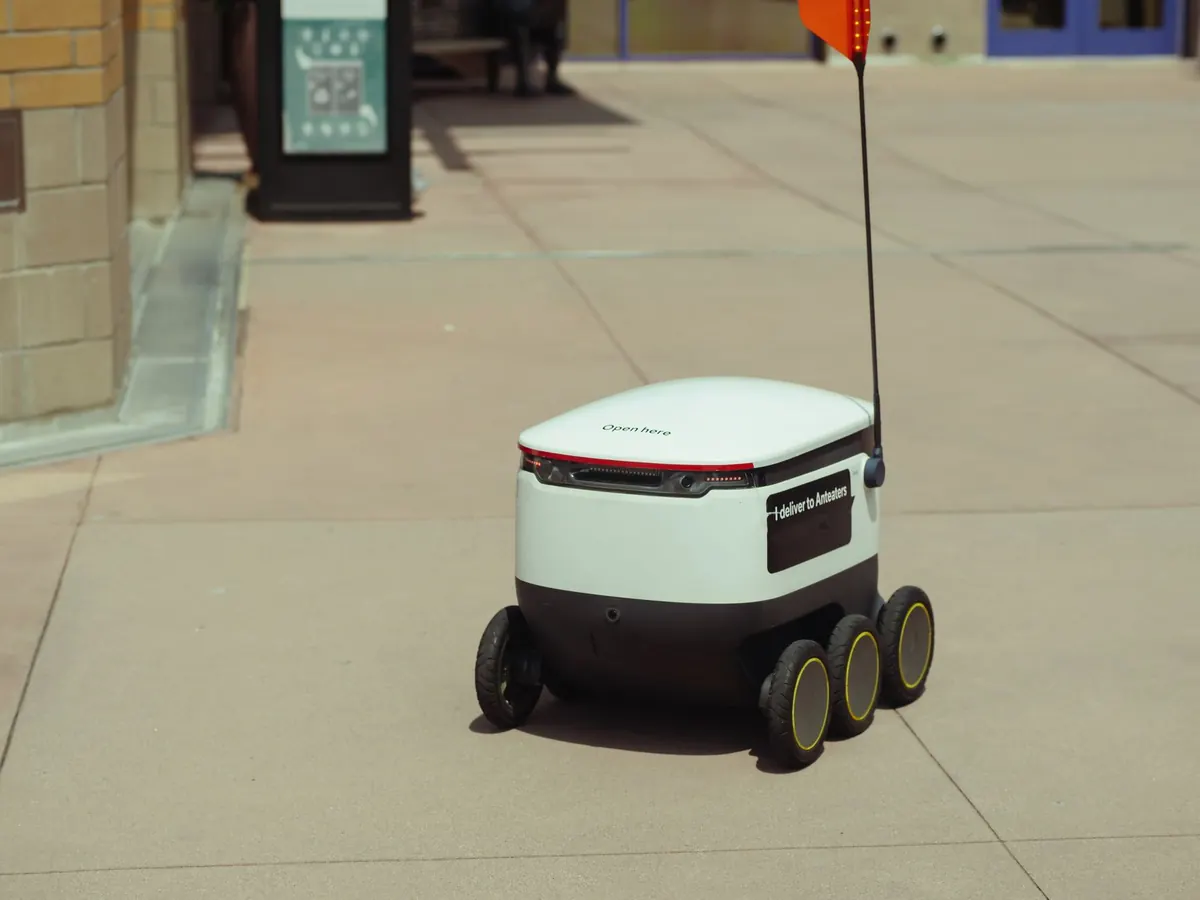
Somewhere in your borough, a resident is already wondering why a six-wheeled box just trundled past the post office. Autonomous delivery tends to arrive before a council has a policy for it, and the first conversation is usually a complaint or an optimistic email from an operator hunting for a testbed. Pilots go better when the council sets the terms early: one small area, clear rules, a named officer, and a real way for residents to be heard. What follows covers the questions councils ask most often.
Start with the pavement, not the robot
Before anyone discusses a fleet, walk the route yourself. Take a tape measure and a phone camera. Note where two people can pass each other, where a wheelchair user would have to stop and wait, where the tactile paving is worn, where café tables, bins and sandwich boards narrow the path, and how a machine would cope with a dropped kerb on a wet morning. Footways that look generous from a car shrink once the planters and A-boards are counted.
Pick two or three candidate loops rather than a citywide corridor. Start on quiet streets with wide footways and short crossings, and keep the first phase away from busy bus stops and school gates. Ask your accessibility officer and local disability groups to walk it with you; they will find pinch points a map never shows. Think about winter too. Standing water, leaf mulch and grit piles change how small wheels behave, so a route that works in July may fail in January.
Decide what you are actually permitting
A robot pilot usually sits across several permissions at once: use of the highway, trading or street-activity licensing, traffic regulation, and data protection if the unit carries cameras. Work out in the first fortnight which one you are granting, who signs it, and whether it is a licence under existing powers or a time-limited trial agreement. Ambiguity here is what turns a modest trial into a news story.
Name one officer as the single point of contact and put that name in writing. A short schedule of conditions is easier to enforce than a long contract nobody reads. It typically covers:
- the operating area, drawn as a geofenced polygon rather than a postcode
- hours of operation, starting narrow and widening only after a review
- a maximum speed at walking pace, plus maximum weight and width
- how many units may be in the borough at any one time
- exclusion zones around school entrances at start and finish times, bus stops and hospital access
- a contact number displayed on the unit and answered by a person
- incident reporting within a set period, and an immediate suspension clause
- removal and reinstatement of any markings, sensors or charging equipment
Then add an end date. Pilots without one drift.
Insurance and liability, sorted before day one
Ask the operator to show a current certificate of insurance and to confirm whether the council is named or noted on the policy. Read the exclusions carefully: theft, vandalism, cargo damage and injury to third parties are often treated differently, and some policies exclude operation in pedestrian areas altogether. Agree in writing who responds first to a trip, a spill or a collision, who takes statements, and who handles a claim. Keep your position clear — the borough is not the custodian of the operator's equipment, and abandoned units are the operator's problem to recover.
None of this is legal advice. Liability rules and highway powers vary by jurisdiction, so put the draft agreement in front of your own legal and insurance teams before signing anything.
Write the pavement rules in plain language
What residents should expect
Robots give way to everyone: pedestrians, wheelchair and mobility scooter users, blind and partially sighted people, children, and anyone with a dog. They keep to a walking pace, do not weave through crowds, do not block doorways, and do not queue across a dropped kerb. If a person stops in front of one, it waits.
What happens when one gets stuck
Have a recovery protocol with a time limit, so a unit stationary for more than a set number of minutes triggers a call-out. The operator moves the robot, never the public. If a machine blocks a bus stop or a shop entrance, the driver or shopkeeper should reach a person quickly, not an automated line.
Outreach people will actually turn up to
Do the listening before the first unit appears. A stall at the Saturday market, a session in the library, a one-page flyer in plain language and a phone number that a human answers will get you further than a glossy press release. Invite the people who will meet the robots first: blind and partially sighted residents, older people's forums, wheelchair users, school staff, shopkeepers, bus operators, street cleaners and refuse crews. Brief your own parking and enforcement teams, because they will field the questions on the street.
Give residents a way to complain that is not social media: an email address, a phone line, and a form that logs the location and time. Then close the loop. Publish what you heard and what you changed — a rerouted street, a slower speed near a day centre, an extra exclusion zone outside a nursery.
Measure a few things well
Choose a handful of measures and stick to them rather than chasing every data point the operator offers. Useful ones include deliveries completed, incidents and near misses with locations, complaints, whether units block loading bays or bus stops, feedback from disabled residents and shopkeepers, and officer hours spent on the pilot. Officer time is a genuine cost; count it.
Set thresholds before you begin — the number of complaints or incidents that triggers a pause — so the decision is not made in a heated meeting after a bad week.
Your first ninety days
- Weeks 1–2: walk and map two candidate loops with your accessibility officer; note pinch points, crossings and winter risks.
- Weeks 3–4: agree internally who permits, who signs and who is the named officer; draft the conditions schedule.
- Weeks 5–6: request insurance certificates and a list of exclusions; send the draft agreement to legal.
- Weeks 7–8: brief accessibility groups, shopkeepers, bus operators and street cleaning crews; hold one public session.
- Weeks 9–10: sign a time-limited pilot with a suspension clause, a displayed contact number and a reporting deadline.
- Weeks 11–13: run it, log everything weekly, and publish a short update at the end of the quarter.
None of this needs a large budget or a new department. It needs a named person, a measured route, and the patience to talk to the people who use that pavement every day. Get the first small loop right and the next one is easier. Get it wrong and the arguments will outlast the robots.
Photo: Kindel Media / Pexels
Related Articles